
blog
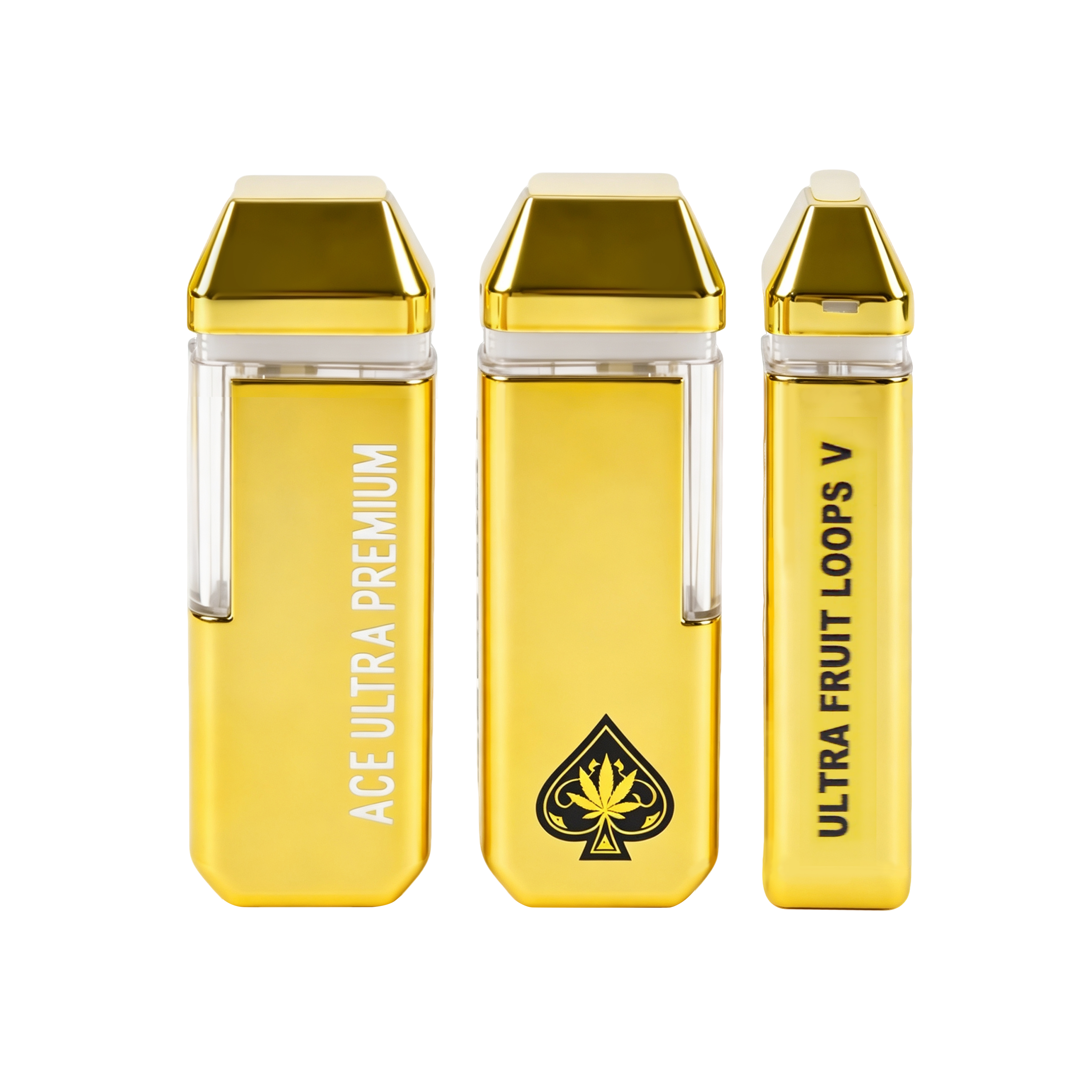
Vape Warehouse Stock vs Factory Production Comparison
Vape business owners today face the critical decision of Stock vs Factory. Warehouse stock ships fast, while factory production allows for customization. When sourcing wholesale suppliers, they evaluate delivery speed, price, product variety, and supplier reliability. Pricing from a wholesale supplier is key, and the vape wholesale partner's sourcing choices must align with market trends and demands.
Key Takeaways
Warehouse stock ships quickly and lowers risk, so it works well for fast restocks.
Factory production lets you customize products and gives lower prices per item, but after adding shipping and fees, the total cost might be the same as warehouse prices.
Many companies use both methods to balance speed and customization to get better results.
Stock vs Factory: Defining the Sourcing Models
What Is Local Warehouse Stock?
Local warehouse stock means inventory kept in regional centers, like EU warehouses, ready to ship right away. A wholesale supplier holds these products on site, so buyers can order and get goods without waiting for overseas shipping. This model works well for businesses that need popular items fast.
Warehouse stock usually has well-known brands and top-selling devices. A disposable vape pen from a warehouse can ship the same day. But the selection is limited to what the supplier already bought. Buyers give up variety for speed here.
What Is Direct Factory Production?
Direct factory production means ordering from manufacturers, mostly in China. Goods are made to order with specific requirements. Nearly 70% of disposable vapes sold worldwide come from Chinese factories, says a recent study. This model gives buyers access to a much wider catalog.
Factories also offer ODM and in-house manufacturing choices. ODM means the manufacturer designs and builds the product. In-house production gives the buyer more control over design and branding. This difference matters a lot in the stock vs factory decision. A buyer who wants custom flavors or unique hardware chooses factory production. A buyer who needs quick turnaround sticks with warehouse stock.
The sourcing choice finally depends on business goals. Wholesale pricing, market demand, and quality standards all matter. Understanding both models helps buyers pick the right path.
Delivery Speed and Logistics for Vape Products
When you pick between warehouse stock and factory production, delivery speed often decides the matter. A vape wholesale buyer needs products on shelves fast. A slow vape shipment means lost sales and unhappy customers. Let's see how each vape sourcing model handles logistics from order to delivery.
The Immediate Advantage of Warehouse Stock
EU warehouses give a clear speed edge for vape products. Ready-to-ship inventory leaves within 24 hours of order placement. Transit takes just 3-5 days across Europe. A wholesaler can restock popular items in under a week. No waiting for overseas shipping or customs clearance.
The pricing picture also favors warehouse stock at first glance. A buyer ordering 1,000 units from an EU warehouse pays €4,650 total including shipping. Customs and duties are already handled. VAT is already paid. The per-unit cost sits at €4.65. Compare that to factory direct orders where sea freight takes 30-45 days per vape shipment.
Warehouse stock avoids compliance headaches too. The supplier has already cleared all regulatory hurdles for the local market. Products meet regional safety rules without extra paperwork. Buyers don't worry about customs holds or missing documents. This speed makes warehouse stock great for chasing fast-moving market trends.
Managing Lead Times with Factory Production
Factory production tells a very different story. Lead times stretch from 30 to 60 days for each vape order. Then shipping adds more time. Sea freight takes 30-45 days for the lowest cost. Air freight takes 7-14 days at USD 3-6 per kg. Express couriers deliver in 5-7 days at USD 8-15 per kg. Customs processing adds another 14 days. That means 6 weeks of capital stuck in transit.
Smart vape buyers manage these delays with several strategies:
They share rolling 8-12 week demand signals with the factory so the maker orders parts early.
They place smaller, more frequent orders to keep cash flowing and lower risk.
They build strong ties with suppliers. A personal connection means the factory puts their vape orders first.
They use ERP inventory software that automatically reorders stock when levels get low.
They hold semi-finished buffers — like unlabeled hardware — for late packaging changes.
Compliance adds another layer for vape imports. The PACT Act requires detailed paperwork for every vape shipment. Test reports, labeling info, and audit records for compliance must be ready before shipping. Any missing document can delay customs release by days or weeks. Smart buyers check compliance readiness before placing vape orders to avoid costly waiting time.
Factory pricing looks lower at first. Product costs for 1,000 vape units reach €3,500 versus €4,500 from a warehouse. But total landed cost with sea freight comes to €4,672. That's only €22 less than the warehouse option. Air freight pushes costs to €5,072. The pricing advantage disappears fast when you add shipping, duties, and VAT.
Safety matters in this comparison too. Factory buyers need quality control assurance for vape safety. Workers test thousands of devices daily. But longer supply chains create more spots where safety issues can slip through. Warehouse stock has already passed those safety checks before reaching the buyer.
Health regulations affect both models differently. Factory buyers must ensure products meet destination country rules with proof of compliance. Warehouse stock already complies with local health rules. This makes warehouse sourcing simpler for businesses without dedicated regulatory teams.
For wholesale buyers, the choice comes down to business needs. Fast-moving vape products suit warehouse sourcing. Custom vape lines work better with factory production. Many successful wholesale operations use both ways to balance speed with savings.
Product Variety and Customization Options
Limited Selection vs. Extensive Catalog
A China factory gives you access to a huge range of disposable vape choices. Buyers can choose from many flavors, puff counts, and hardware styles. That variety helps a wholesale business stand out in a crowded market. A local warehouse just cannot match that depth.
Warehouse stock flips the trade-off. It carries a small selection of popular items, but those items ship right away. Take Randm Tornado, a favorite among EU wholesale buyers in Eastern and Southern Europe. Its full range is very wide, yet not every variant is EU-ready. Only a few compliant variants sit in EU warehouse stock. Buyers should check TPD compliance for each SKU before ordering. So the warehouse wins on speed, while the factory wins on choice.
The Role of Custom Branding and OEM
Factories also let buyers build their own brand. A manufacturer offers white label and private label options. White label means putting a logo on an existing device. Private label goes further, with custom packaging and a unique product line. The pricing and effort differ a lot between the two.
MOQ for branding starts from just 500–1000 units.
Manufacturing Type / Level
Minimum Order Quantity (MOQ)
OEM (Original Equipment Manufacturing)
5,000–100,000+ units
ODM (Original Design Manufacturing)
500–5,000 units
Basic Private Label
500–1,000 units
Custom Branding
1,000–5,000 units
Semi-Custom
5,000+ units
Private label keeps setup costs low, with no R&D expenses and very little tooling. The product is already designed and tested, so the process is simple: choose product, add branding, start production. That means a faster launch for new brands. OEM demands a bigger upfront investment and a longer timeline. For many buyers, private label offers the fastest path to market.
Cost Structure and Reliability of Vape Products
Unit Price vs. Total Landed Cost
Factory pricing seems lower at first. A buyer pays €3,500 for 1,000 vapes from a factory. The same order from a warehouse costs €4,500. That difference looks appealing to many buyers. But the true cost is the total landed cost.
When you add sea freight, duties, and compliance fees, the factory order reaches €4,672. The warehouse order already has those costs. The gap drops to only €22. Air freight brings the factory total to €5,072. Now the warehouse is cheaper. Buyers who ignore landed costs make poor decisions. They go for low unit prices and lose cash on shipping and paperwork.
Compliance also has hidden costs. Each disposable vape pen shipment requires test reports and labeling records. Missing papers hold up customs and waste money. Warehouse stock already passed those steps. So the pricing picture changes when buyers add everything up.
Inventory Risk and Supply Consistency
Factory orders lock up money for weeks. A buyer waits 30 to 60 days for production, then more for shipping. That money is not working. Warehouse stock frees that cash right away.
Smart wholesalers keep low inventory with warehouse management tools. Barcode systems or inventory software track real stock amounts. Low-stock alerts warn about popular flavors before they sell out. Predictive tools use past sales to guess future demand. This stops both overstocking and understocking.
Fast-selling items need extra care. A disposable vape pen in a popular flavor sells quickly. The system changes reorder levels on its own when demand goes up. Slow items get marked for sales. This keeps the wholesale supplier quick to respond.
Quality checks are important at factories. Workers test devices each day before they ship. That many tests helps keep product quality and safety high. But long supply chains add more places for problems. Warehouse stock already passed those checks.
Product compliance and safety rules apply to both options. A maker must show each vape meets local laws. Buyers without regulatory staff rely on warehouse stock. It already follows market rules.
Reliability is about control. Factories give you size and custom options. Warehouses give you speed and less risk. A supplier that uses both covers more needs. That balance protects costs, quality, and market standing.
Stock vs factory sourcing affects vape businesses. Warehouses offer speed and low risk for vape products. Factories provide better pricing and customization for the vape market. New vape shop businesses choose wholesale suppliers. A vape retailer knows the pricing gap. Established brands pursue sourcing in the market. Many combine wholesale suppliers, using warehouses for immediate needs and factories for stock vs factory sourcing.
FAQ
Which sourcing model delivers vape products faster?
Warehouse stock is the fastest choice. A vape order goes out within 24 hours and shows up in 3-5 days. Factory production takes 30-60 days, and then shipping adds even more time. Buyers who need quick vape restocks should pick warehouses.
Can factories offer better pricing than warehouses?
Factories list lower unit prices for vape products. But shipping, duties, and compliance costs make that gap smaller. The total landed cost often ends up the same as warehouse pricing. Buyers need to compare all the costs before they decide.
How do buyers balance speed and customization?
Many wholesale buyers use both models together. Warehouses take care of fast-selling vape items. Factories create custom vape lines with private label options. This mixed approach matches market demands with what suppliers can do. It also lowers safety and quality risks throughout the supply chain.
0users like this.

Your cart is currently empty.